
3D printing at Port Augusta Special School
3D printing at Port Augusta Special School
Port Augusta Special School has successfully integrated 3D printing technology to engage students across various subjects, leading to enhanced learning experiences and increased student participation in technology.
TESTING!!!
About 3D printing
3D printing involves creating three-dimensional objects from a digital file by layering materials, typically plastic. It is used in various educational contexts to create models, prototypes, and interactive learning tools.
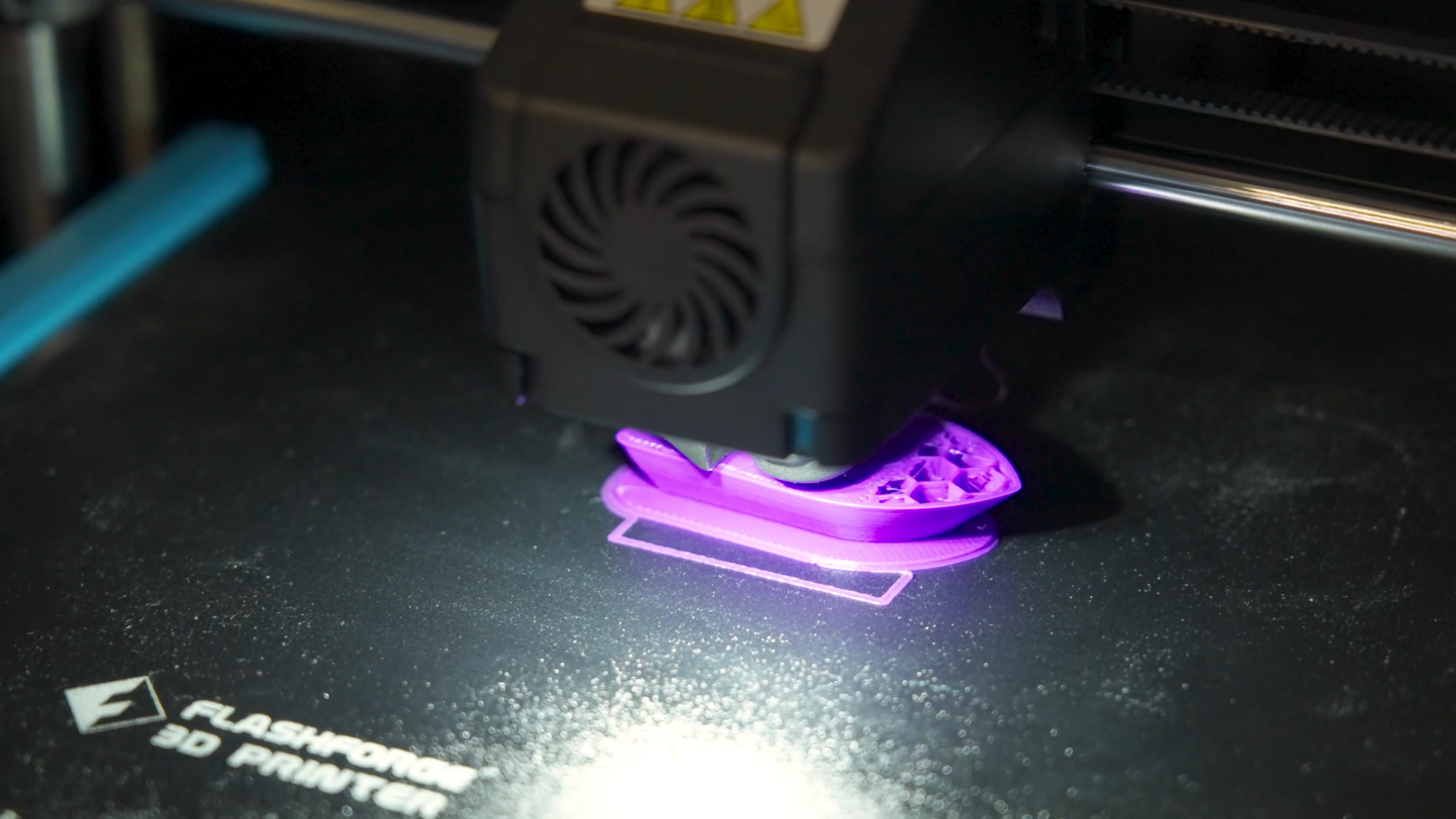
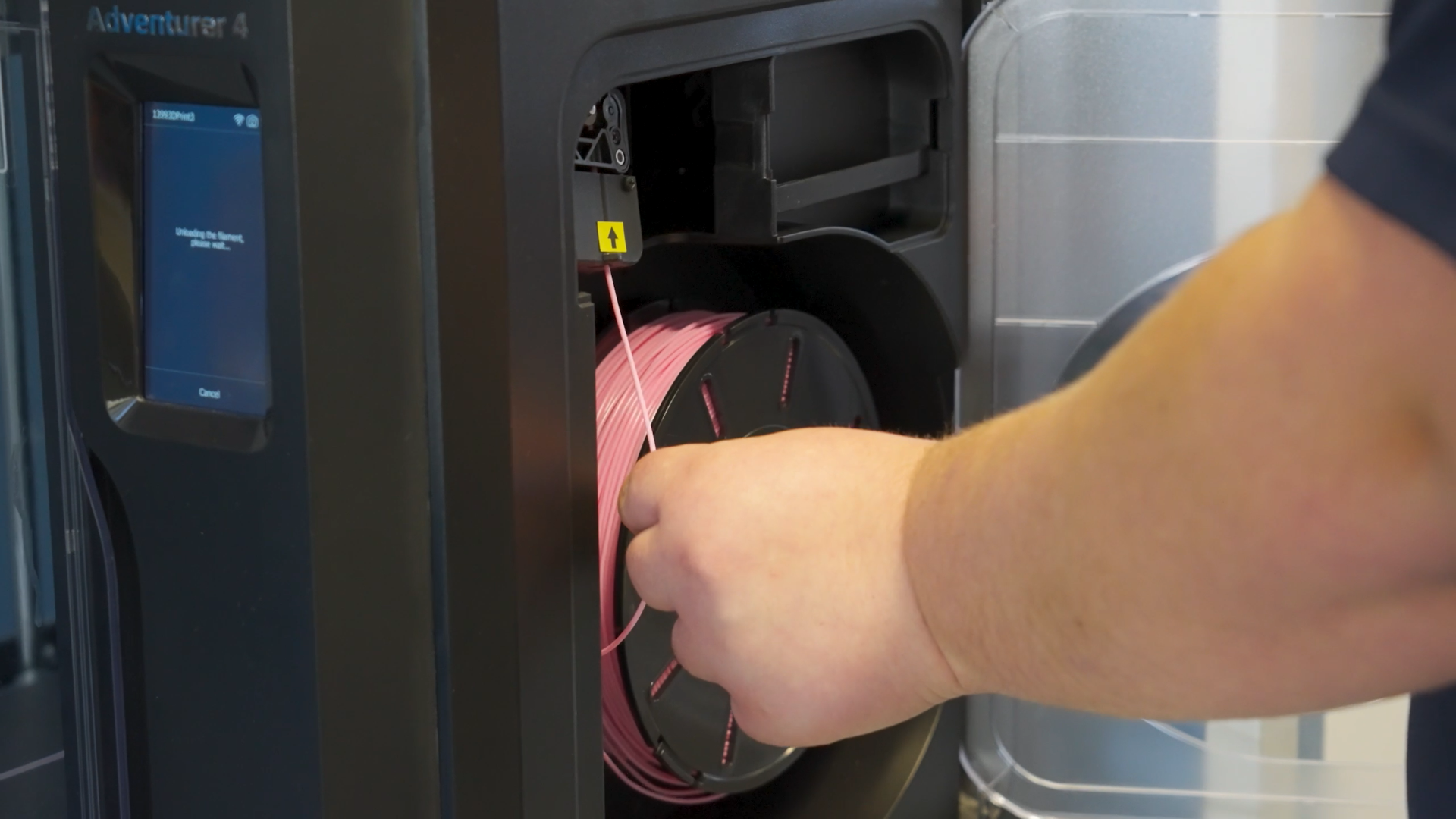
3D printers are now more accessible and easier to maintain, with many models supported by the Department for Education. They come with preloaded software and require basic maintenance, making them suitable for educational use.
About Port Augusta Special School
Port Augusta Special School provides modified and alternative learning programs for students identified with intellectual and in some cases additional disabilities from Reception to Year 12.
There is a strong focus on independence and life skills including numeracy, literacy, social skills and communication.
Where we began
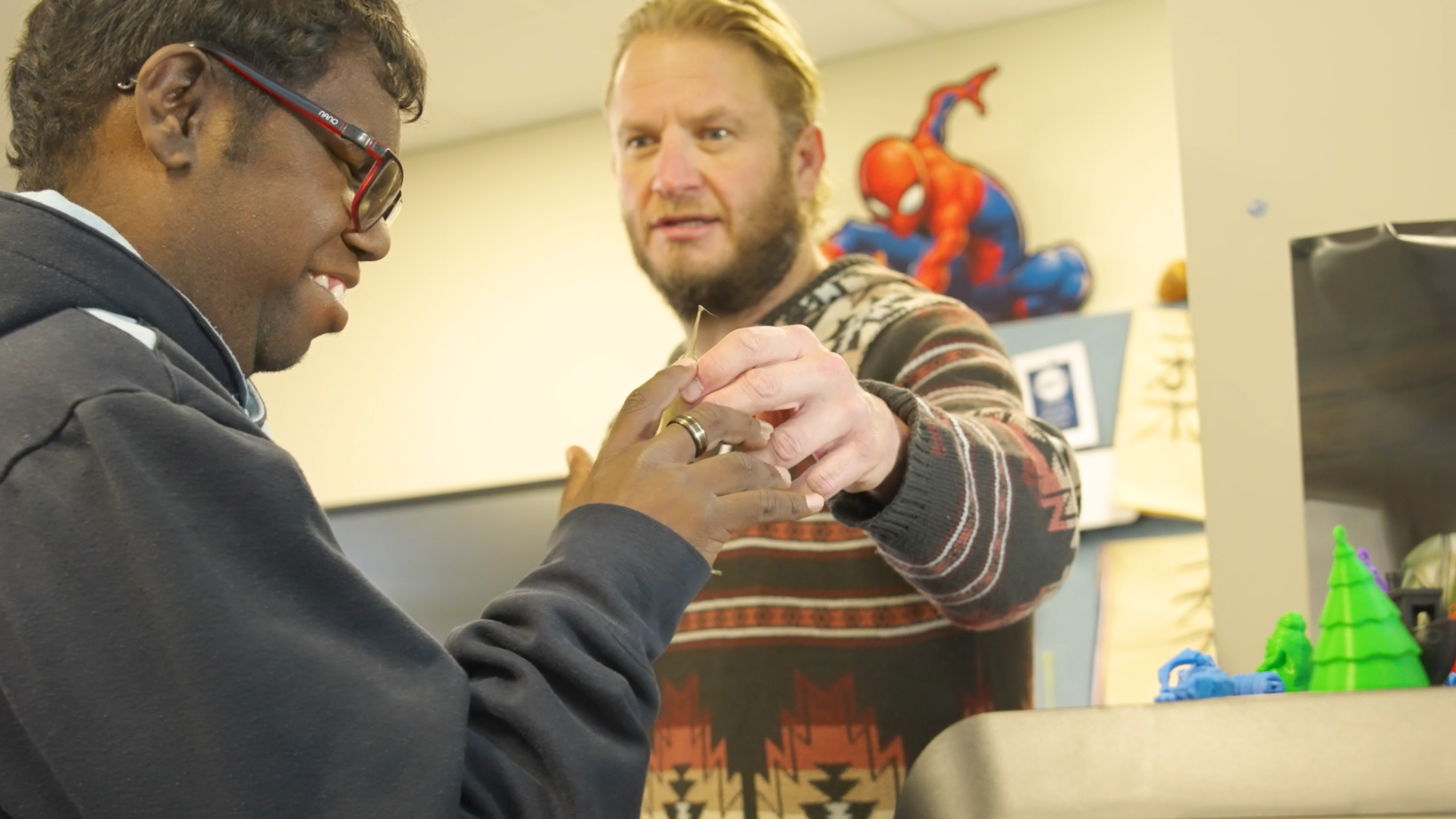
Port Augusta Special School wanted to get students engaged in technology, especially those who typically don't engage with academic subjects.
Initially the students had very limited use of computers and iPads. Students are now confident using laptops, desktops and iPads, and are also using other tech such as VR headsets.
What we set out to do
The objective was to introduce 3D printing to engage students and enhance their learning experiences across various subjects.
What we did
The school introduced 3D printers, replacing some traditional hands-on activities and significantly enhancing digital engagement.
They utilised Adobe and Microsoft programs for designing and printing 3D models, making the technology accessible and versatile for various educational purposes.
An investment of $5,000 was made to acquire the 3D printers, which allowed students to engage in projects across subjects like science, history, and mathematics.
To ensure the effective use of this new technology, training and support were provided to staff, enabling them to integrate 3D printing seamlessly into their curriculum.
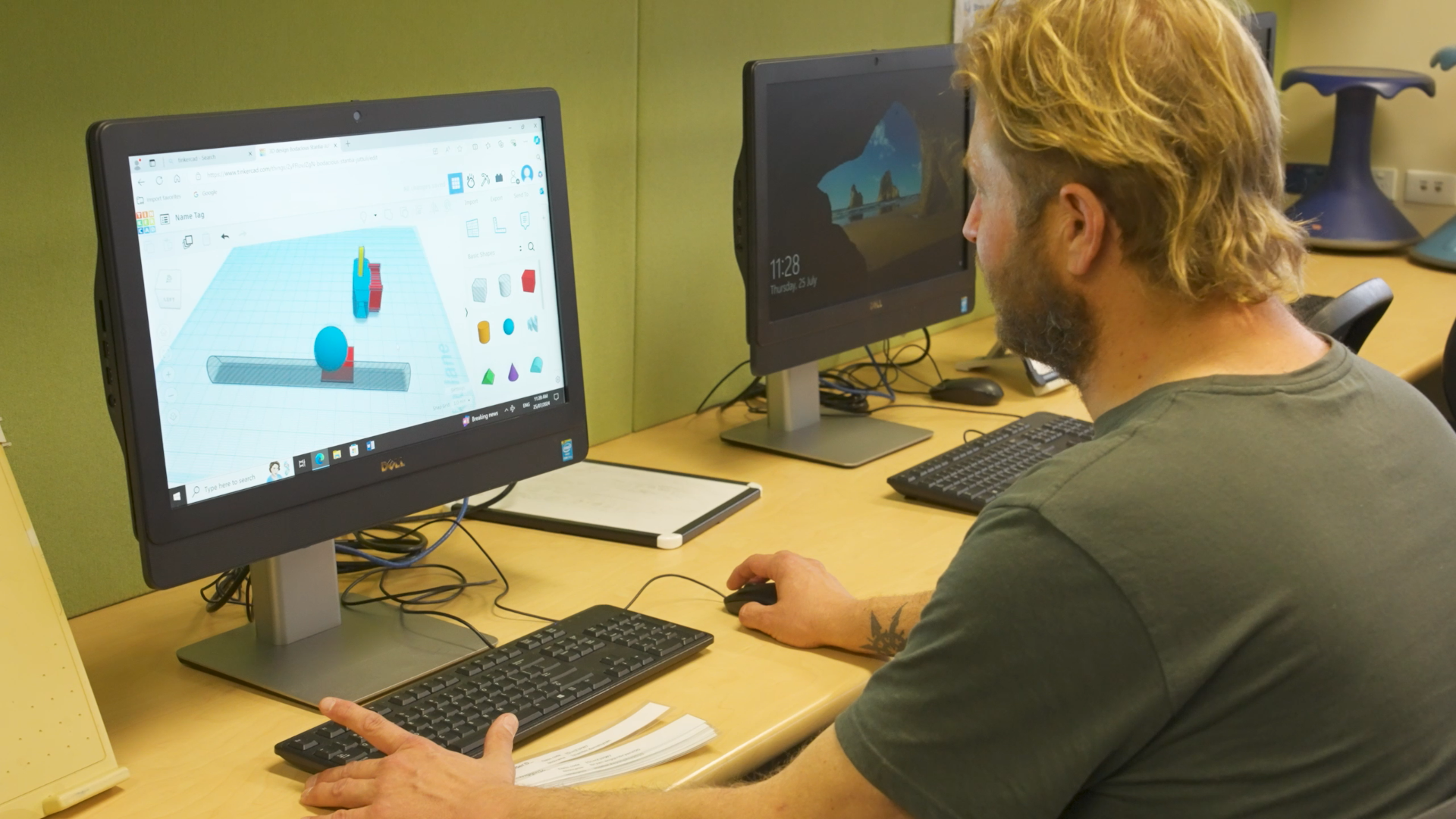
Students became highly engaged with 3D printing, leading to increased use of technology in their learning and enhanced their technological capabilities.
Adding 3D printers to the schools mix of existing technology increased student participation in technology-based activities within academic subjects.
Impact on student learning
Students created models for various subjects, enhancing their understanding and engagement.
Projects included 3D printing models of the brain, Egyptian pyramids, and math counters.
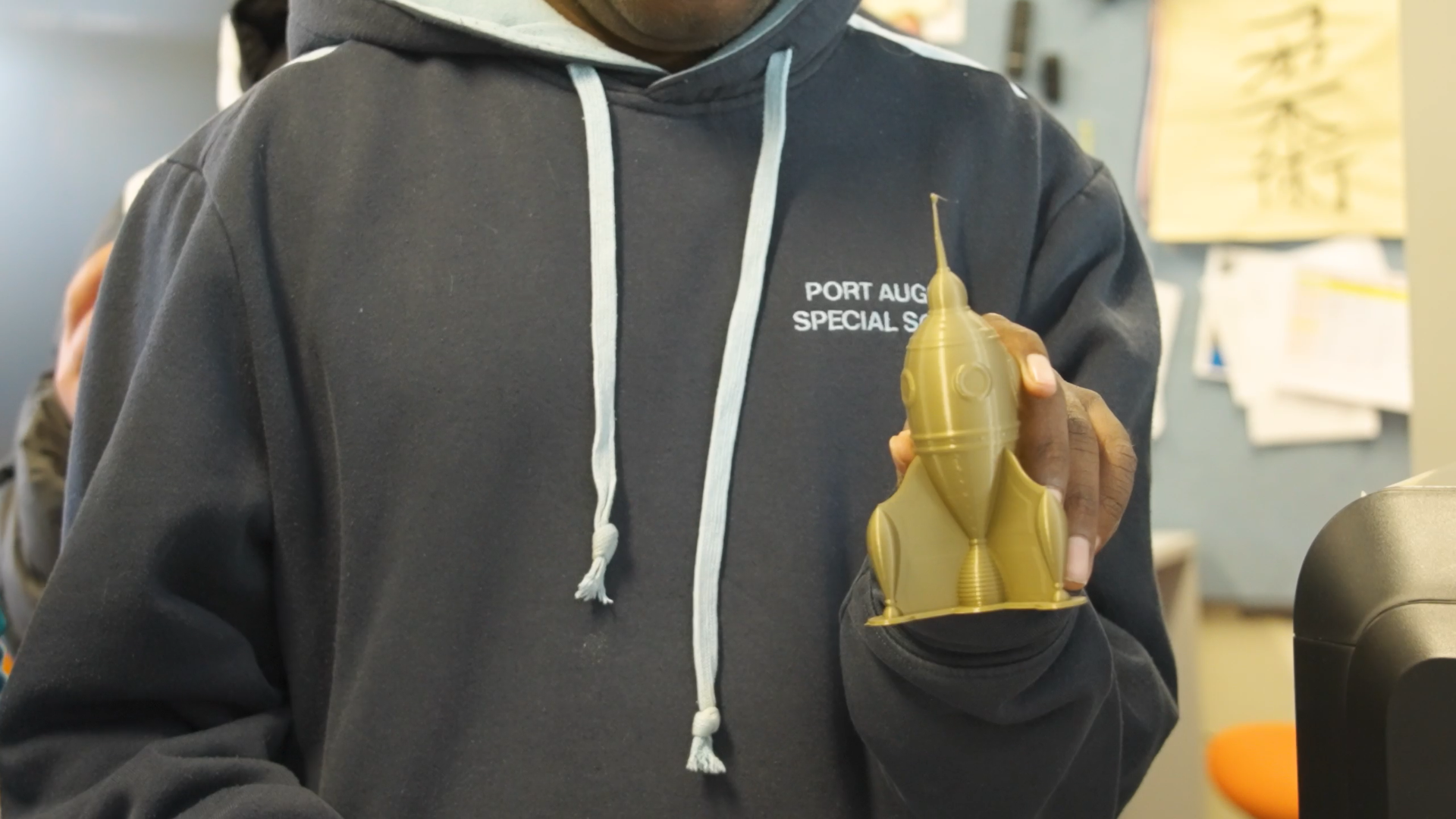
3D printing is suitable for any subject and age group and can be integrated with existing technology and curriculum.
Why 3D printing is good
3D printing engages students in hands-on learning and enhancing understanding of complex subjects through interactive models.
The minimum to get started
Start with a small investment of a few thousand dollars for a decent 3D printer.
Ensure staff are interested and willing to learn about the technology.
Advice from our school
Start small and build up gradually.
Invest in quality equipment supported by the department.
Ensure you have dedicated staff to maintain and operate the technology.
Key to Success:
- Passionate and dedicated staff.
- Incremental investment and gradual implementation.
- Continuous support and training for staff and students.
Lessons Learnt:
- Even students with no prior interest in technology can become highly engaged.
- Quality equipment and support are crucial for success.
Advice for Other Schools:
- If you want to introduce 3D printing, start with a small investment and ensure you have interested staff.
- Avoid cheap equipment; invest in quality for better support and longevity.
- Gradually build up your program and let it gain momentum.
Contact at the school
Want to talk to someone at this school about what they did and how?
Contact: Tony Holden, Principal
Email: Tony.Holden561@schools.sa.edu.au